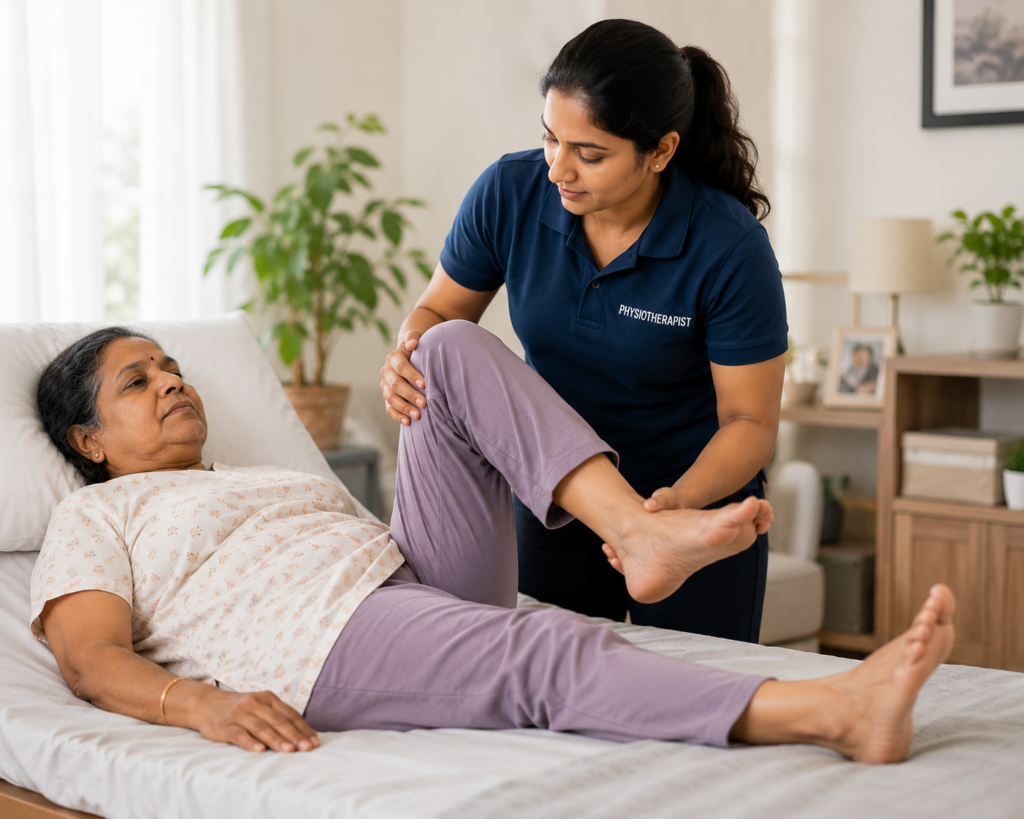
Post Surgery Physiotherapy at Home: A Safer, Faster Way to Recover from Back Pain and Surgery

Recovering after surgery is not only about healing a wound. It is about learning how to move again without pain, stiffness, weakness, or fear. Many people believe rest alone will help them recover. But in reality, the right movement at the right time is what helps the body heal properly.
This is where post surgery physiotherapy, home physiotherapy, and back pain physiotherapy become important.
Whether someone has undergone knee replacement surgery, spine surgery, ligament repair, fracture fixation, or disc-related procedures, physiotherapy plays a major role in improving recovery, mobility, and confidence.
Today, many families also prefer home physiotherapy services because recovery feels more comfortable and personal in a familiar environment.
In this guide, let us understand:
Why post surgery physiotherapy matters
How home physiotherapy supports faster healing
Why back pain physiotherapy is becoming essential
Common conditions treated
What to expect during sessions
Frequently asked questions patients search online
Why Post Surgery Physiotherapy Is Important?
After surgery, the body becomes weak, stiff, and less mobile. Muscles lose strength quickly when movement reduces. Joint flexibility also decreases.
Without proper rehabilitation:
- Pain may continue for longer
- Walking can become difficult
- Swelling and stiffness may increase
- Muscles may weaken
- Recovery may take months longer
This is why doctors often recommend post operative rehabilitation physiotherapy soon after surgery.
A physiotherapist helps patients:
- Improve movement safely
- Reduce pain and stiffness
- Restore muscle strength
- Improve balance and mobility
- Prevent complications
- Return to daily activities faster
For many patients, physiotherapy becomes the bridge between surgery and normal life.
Benefits of Home Physiotherapy After Surgery
Many patients struggle to travel after surgery. Climbing stairs, sitting in vehicles, or waiting at clinics can become painful and exhausting. This is why home physiotherapy after surgery has become highly preferred.
Comfort and Convenience
Recovery feels easier at home. Patients stay relaxed in familiar surroundings, which helps both physical and emotional healing.
Personalized Attention
During home physiotherapy sessions, therapists focus completely on one patient. Exercises and recovery plans become more personalized.
Reduced Risk of Infection
For elderly patients or those recovering from major surgery, staying away from crowded places helps reduce exposure to infections.
Faster Functional Recovery
Therapists can train patients using their real home environment:
- Walking safely indoors
- Climbing stairs
- Sitting and standing
- Bathroom movement support
- Bed mobility training
This makes recovery more practical and effective.
Common Surgeries That Need Physiotherapy
Knee Replacement Surgery
After knee replacement, physiotherapy helps:
- Improve knee bending
- Reduce stiffness
- Improve walking
- Build leg strength
- Restore balance
Without rehabilitation, many patients struggle with mobility even after successful surgery.
Spine Surgery Rehabilitation
Back and spine surgeries often require careful movement retraining.
Physiotherapy after spine surgery focuses on:
- Pain management
- Core strengthening
- Posture correction
- Safe movement patterns
- Back muscle rehabilitation
ACL Surgery Rehabilitation
Athletes and active individuals often need structured recovery after ACL reconstruction.
Rehabilitation helps:
- Improve knee stability
- Restore muscle control
- Improve flexibility
- Return to sports safely
Fracture Rehabilitation
After fractures or orthopedic surgeries, joints become stiff due to prolonged immobilization.
Physiotherapy improves:
- Range of motion
- Weight-bearing ability
- Muscle strength
- Functional movement
Understanding Back Pain Physiotherapy
Back pain has become one of the most common health problems today. Long working hours, poor posture, stress, travel, and lack of exercise contribute heavily to it.
Many people depend only on painkillers. But pain often returns because the root problem remains untreated. This is where back pain physiotherapy becomes important. Physiotherapy focuses on correcting the actual cause of pain rather than masking symptoms temporarily.
Common Causes of Back Pain
- Poor Posture: Sitting for long hours while working or using phones creates pressure on the spine.
- Muscle Weakness: Weak core muscles fail to support the back properly.
- Slip Disc or Disc Bulge: Disc-related problems can compress nerves and cause severe pain or sciatica.
- Sedentary Lifestyle: Lack of movement causes stiffness and reduced flexibility.
- Stress and Muscle Tension: Mental stress often increases muscle tightness around the neck and back.
How Physiotherapy Helps Back Pain
Pain Relief Techniques
Therapists use different methods to reduce pain naturally:
- Manual therapy
- Soft tissue mobilization
- Stretching
- Heat therapy
- Mobility exercises
Posture Correction
Improving posture reduces strain on the spine and muscles.
Strengthening Exercises
Core strengthening supports the spine and prevents recurring pain.
Movement Education
Patients learn safer ways to:
- Sit
- Lift objects
- Walk
- Sleep
- Bend properly
Manual Therapy for Back Pain Relief
Many patients today search specifically for manual therapy for back pain because they prefer hands-on treatment methods.
Manual therapy may include:
- Joint mobilization
- Soft tissue release
- Trigger point therapy
- Muscle stretching
- Spinal mobilization
These techniques help improve mobility and reduce stiffness naturally.
Patients often feel immediate relief after sessions when combined with corrective exercises.
Signs You May Need Physiotherapy
You should consider physiotherapy if you experience:
- Persistent back pain
- Difficulty walking after surgery
- Joint stiffness
- Reduced flexibility
- Muscle weakness
- Pain while sitting or standing
- Numbness or tingling
- Difficulty climbing stairs
- Poor posture
- Slow recovery after surgery
Early physiotherapy often prevents long-term complications.
What Happens During a Home Physiotherapy Session?
Every patient is different. Treatment plans depend on age, condition, surgery type, pain level, and mobility.
A session may include:
Assessment
The physiotherapist checks:
- Pain level
- Movement restriction
- Muscle strength
- Posture
- Walking pattern
Treatment
Based on the condition, treatment may include:
- Manual therapy
- Guided exercises
- Stretching
- Balance training
- Mobility work
- Breathing exercises
- Functional movement training
Education
Patients also receive guidance about:
- Correct posture
- Home exercises
- Sleeping position
- Activity modification
- Recovery expectations
Why Early Rehabilitation Matters
Many patients delay physiotherapy because they fear pain during movement.
But delayed rehabilitation can lead to:
- Muscle wasting
- Joint stiffness
- Poor posture
- Reduced mobility
- Chronic pain
Starting physiotherapy early often improves recovery speed significantly.
The body heals better when movement is gradual, safe, and guided correctly. Choosing the Right Physiotherapy Clinic or Home Physiotherapist. When searching for the best physiotherapy support, look for:
- Experience in post surgery rehabilitation
- Personalized treatment plans
- Home visit availability
- Manual therapy expertise
- Patient education approach
- Comfortable communication
- Good recovery guidance
Patients usually recover better when therapists focus not only on exercises, but also on confidence, motivation, and emotional support.
Home Physiotherapy Is Becoming the Future of Recovery
Healthcare is becoming more patient-centred. Families now prefer recovery options that are:
- Comfortable
- Personalized
- Convenient
- Less stressful
This is why home physiotherapy services continue to grow rapidly.
Patients recovering from surgery, elderly individuals, people with severe pain, and busy professionals all benefit from receiving treatment at home. For many, healing becomes easier when therapy adapts to real daily life.
At the end of the day
Recovery after surgery or chronic back pain does not have to feel overwhelming. With the right guidance, movement, and rehabilitation support, patients can regain strength, confidence, and independence step by step.
- Whether it is:
- post surgery physiotherapy
- home physiotherapy
- manual therapy
- or back pain physiotherapy
The goal remains the same — helping people move better, feel stronger, and return to life comfortably.
Physiotherapy is not only about exercises. It is about restoring quality of life.
Until next time. Take Care.